Greyhound Bus Station: Hours, Locations & Traveler Tips
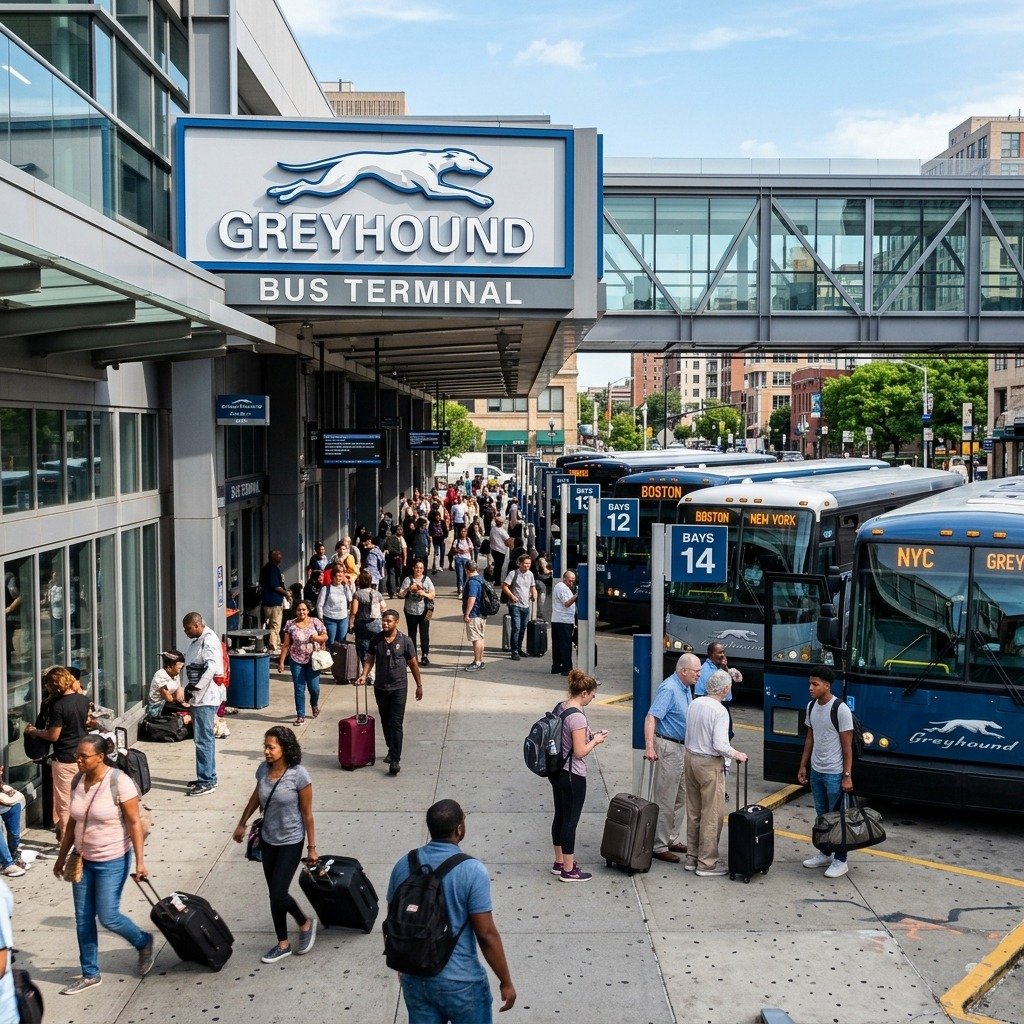
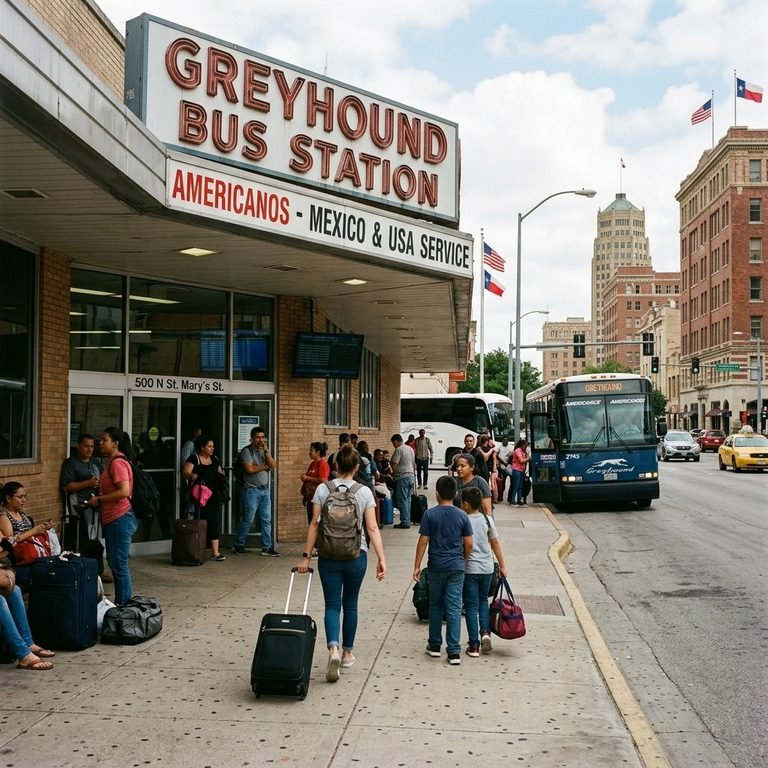
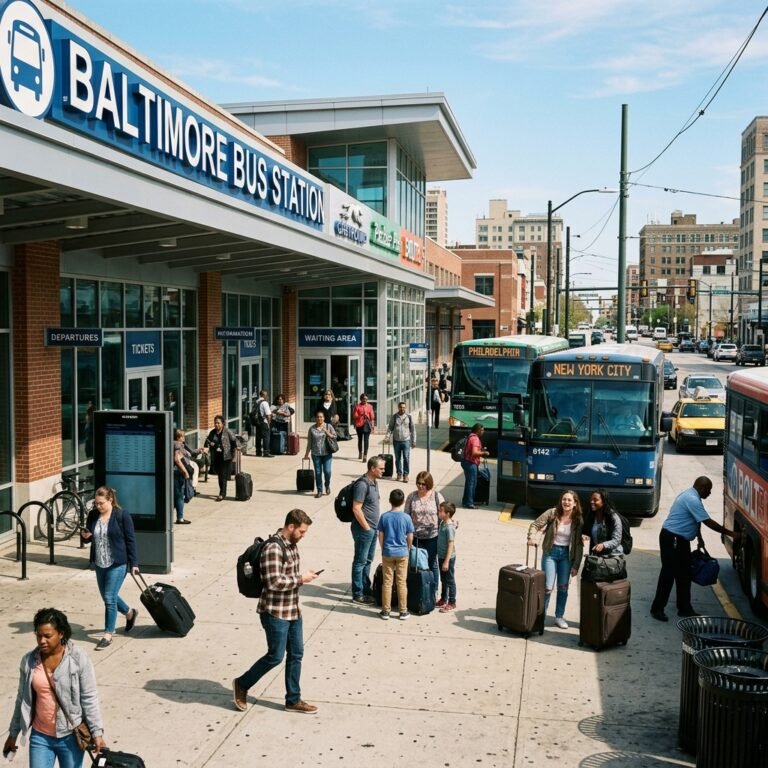
A Greyhound bus station is a Greyhound-branded facility where you can buy tickets, wait, handle baggage, and board intercity buses. Greyhound serves 1,600+ destinations across the US, Canada, and Mexico. Station hours vary widely, so always confirm your specific station’s address and hours before you travel.
Greyhound is the largest intercity bus network in North America, carrying more than 12 million passengers in 2023 alone. But not every Greyhound pickup point looks the same. Some are full stations with waiting rooms, food, and staff. Others are simple curbside stops with nothing more than a sign.
What is a Greyhound bus station?
A Greyhound bus station is an official, Greyhound-branded location where you can buy tickets, check baggage, wait indoors, and board buses. These stations are run by Greyhound staff or representatives. Some sit inside larger transit hubs, like the New York Port Authority Bus Terminal, where Greyhound operates a ticket counter and waiting area.
Greyhound uses three types of pickup locations, and your ticket will tell you which one you’re using:
| Location type | Ticket sales | Staff | Facilities |
| Greyhound station | Yes | Yes | Restrooms, seating, food, Wi-Fi, ATMs |
| Partner station | Usually | Varies | Varies by size (may be a store or another bus line’s depot) |
| Curbside stop | Online only | No | Minimal sometimes just a sign |
This distinction became more important after 2023, when Greyhound began closing or relocating some downtown stations and shifting toward curbside pickup, according to reporting by Marketplace. Cities including Philadelphia and Tampa saw station changes. So even if you’ve used a station in a certain city before, confirm it’s still operating.
How do I find a Greyhound bus station near me?
Use the bus stop finder at greyhound.com/bus to locate the Greyhound station or stop nearest you. Enter your city, and the tool shows the address, directions, hours of operation, and contact details for each location. You can also explore Greyhound’s interactive route map at greyhound.com/bus-routes to see nearby options.
A few tips when searching for a location near you:
- Check the location type first. If your result is a curbside stop, there won’t be a ticket counter or indoor waiting area.
- Look at multiple stops. Large cities often have several Chicago, Los Angeles, and Washington, D.C. each list two or more.
- Confirm it’s still open. Because some stations have closed or moved, verify the location before your trip date.
Where are Greyhound bus station locations across the US?
Greyhound operates stations and stops in nearly every US state, plus Canada and Mexico, serving 1,600+ total destinations. Major hubs include stations in Texas, California, New York, Florida, and Illinois. The most popular US stops are San Antonio, Atlanta, Dallas, Houston, and the New York Port Authority.
Here are a few well-known station locations across the country:
| City | Station | Notes |
| New York, NY | New York Port Authority | Inside a major transit terminal |
| Los Angeles, CA | Los Angeles Union Station | Multimodal rail and bus hub |
| Chicago, IL | Chicago Bus Station | Central Midwest connection point |
| Washington, D.C. | DC Union Station | Rail and bus connections |
| Miami, FL | Miami Intermodal Center | Connects to airport and rail |
Greyhound also stops at select airports, including LAX, Las Vegas, and Dallas Fort Worth International, which makes air-to-bus connections easier in some cities.
What is a Greyhound bus station address, and how do I confirm it?
Every Greyhound station has a specific street address listed on its page at greyhound.com/bus. Because Greyhound has relocated some terminals to suburban areas or curbside points, the address you find online is the most reliable source. Always use the official page rather than an old map pin or a third-party listing.
Some verified station addresses include:
- Houston Bus Station 7000 Harrisburg Blvd, Houston, TX 77011
- Philadelphia Bus Station 1001 Filbert St, Philadelphia, PA 19107
- Detroit Bus Station 1001 Howard St, Detroit, MI 48226
- Pittsburgh Intermodal Station 55 11th St, Pittsburgh, PA 15222
Greyhound’s general customer service line is (800) 231-2222. Individual stations may list their own contact details on their location page.
What are Greyhound bus station hours?
Greyhound bus station hours vary by location. Some large stations, like Houston and Pittsburgh Intermodal, are open 24 hours. Others operate limited hours Philadelphia runs roughly 7:00 AM to 8:30 PM, and Detroit runs about 5:45 AM to 11:45 PM. Always check your specific station’s page for current hours before you go.
This is one detail worth double-checking, especially for overnight arrivals. If your bus reaches a station after it closes, you may not have access to indoor waiting, restrooms, or staff. In that situation, plan your onward transport a rideshare, taxi, or someone picking you up in advance so you’re not stranded.
A quick scenario: if your bus arrives at 2:00 AM at a station that closes at 11:45 PM, treat the arrival like a curbside drop-off. Arrange your ride before you board so you can leave the area promptly.
How do I check a Greyhound bus station schedule?
Check schedules by entering your departure and arrival cities at greyhound.com. Each result shows departure times, arrival times, trip duration, transfers, and price. To follow a specific bus in real time, use the Track My Bus tool at greyhound.com/track, which shows whether a bus is on time, early, or delayed.
Track My Bus is especially handy if someone is picking you up. They can search by schedule number, departure city, or arrival city and get live status updates, so no one waits at the terminal longer than needed.
What will you find inside a Greyhound bus station?
Full Greyhound stations offer more than a place to sit. Facilities commonly include:
- Restrooms with baby-changing facilities, checked hourly by staff
- Food options vending machines, convenience stores, or fast food; larger stations like NYC Port Authority have food courts
- Free Wi-Fi at many stations, which continues onboard most buses
- ATMs at most stations, useful because some rest stops take cash only
- Ticket and customer service counters for fares, refunds, exchanges, and baggage help
- Charging stations and self-serve kiosks at select locations
Amenities vary by station size, so a small partner location won’t offer everything a major terminal does.
Boarding, tickets, and baggage: what first-timers should know
Arrive early. Be ready to board 15 minutes before departure. Boarding lines open up to 15 minutes ahead, and you’ll need your schedule number and boarding order, both shown on your ticket.
Have your ticket ready. The driver scans the QR code on your ticket. Lost it? Show a valid photo ID at the counter, use a self-serve kiosk, or resend your confirmation through Manage My Booking. If you’re traveling on another carrier, you must have a printed ticket.
Know your baggage allowance. For US and Canada routes, a standard ticket includes:
| Baggage | Allowance | Cost |
| Carry-on | 1 small duffel or backpack | Free |
| Stored bag (under bus) | 1 bag | Free |
| Excess bags | Subject to space | Paid, book online |
| Bulky item (bike, skis, golf clubs) | 1 per passenger, max 95″ total dimensions | Paid |
| Strollers & car seats | Not counted against allowance | Free |
Mexico international routes allow one carry-on plus two stored bags. Pets aren’t allowed except service animals. Label every bag inside and out, and note that Greyhound disclaims liability for lost or damaged baggage so keep valuables in your carry-on.
Handling transfers and layovers
If your trip includes a transfer, you must collect your under-bus baggage and bring it to your next bus yourself. During a layover a longer break while the bus is serviced take your carry-on off the bus and use the station facilities. Greyhound distinguishes between four kinds of stops:
- Rest stop: about 15 minutes to stretch and use the restroom
- Meal stop: about 30 minutes at a spot with food
- Layover: longer break at a station while the bus is cleaned
- Transfer: you switch buses, moving your own baggage between them
Your itinerary lists each stop, so review it before you leave.
How does Greyhound compare to trains and flights?
Greyhound is usually the cheaper intercity option. One analysis by the Reason Foundation found the average bus ticket cost $45.38 versus $58.50 for Amtrak on comparable routes. Buses reach more small towns than trains or planes, but trips take longer. Choose Greyhound if budget and coverage matter more than speed.
| Option | Typical cost | Best for |
| Greyhound bus | Lower | Budget travel, small-town access |
| Amtrak train | Moderate | Comfort, scenic corridors |
| Flying | Higher | Long distances, saving time |
| Driving | Varies | Flexibility, group travel |
Bus travel also has a smaller carbon footprint per passenger than driving alone or flying, making it an eco-friendlier choice for many trips.
Before you go: quick checklist
- Confirm your station type (station vs. curbside stop) on your ticket
- Verify the address and hours at greyhound.com/bus
- Arrive and be ready to board 15 minutes early
- Have your QR code ticket or photo ID ready
- Label your bags and keep valuables in your carry-on
- Bring small cash for cash-only rest stops
- Plan onward transport if you arrive after the station closes
Frequently asked questions
How early should I arrive at a Greyhound station?
Be ready to board 15 minutes before departure. Boarding lines open up to 15 minutes ahead of your scheduled time. Arriving 30–45 minutes early is wise at large or unfamiliar stations, or if you need to buy a ticket or check baggage.
Are all Greyhound bus stations open 24 hours?
No. Some large stations, like Houston and Pittsburgh Intermodal, are open 24 hours, but many have limited hours. Philadelphia runs roughly 7:00 AM to 8:30 PM. Always check your specific station’s page before traveling, especially for late arrivals.
What happens if my ticket lists a curbside stop instead of a station?
Curbside stops have no ticket counter, staff, or indoor waiting sometimes just a sign. Buy your ticket online beforehand, arrive early, and watch for your bus at the marked spot. The driver handles boarding and baggage loading.
How much baggage is included with a Greyhound ticket?
US and Canada tickets include one carry-on (small duffel or backpack) and one stored bag for free. Mexico international routes include one carry-on plus two stored bags. Extra and bulky bags cost more and should be booked online.
Can I bring my dog on a Greyhound bus?
No. Pets are not allowed on Greyhound buses except for service animals. Check Greyhound’s Customers with Disabilities page for the rules and documentation needed for service animals.
How do I track my Greyhound bus in real time?
Use Track My Bus at greyhound.com/track. Search by schedule number, departure city, or arrival city to see live status showing whether the bus is on time, early, or delayed, plus an estimated arrival time.
What should I do if I lose my Greyhound ticket?
Show your confirmation email to the driver, resend your confirmation through Manage My Booking, or show a valid photo ID at the ticket counter. Self-serve kiosks at some stations can also reprint tickets.
Does Greyhound charge for strollers or car seats?
No. Strollers and car seats travel free and don’t count against your baggage allowance. You can bring a stroller in addition to your standard bags and a car seat in addition to your carry-on.
Is Greyhound cheaper than Amtrak?
Usually. One Reason Foundation analysis found an average bus ticket of $45.38 versus $58.50 for Amtrak on comparable routes. Greyhound also reaches more small towns, though trips generally take longer than the train.
How do I find the Greyhound station nearest me?
Use the bus stop finder at greyhound.com/bus. Enter your city to see the address, directions, hours, and contact details for each nearby location, and confirm whether it’s a full station or a curbside stop.

Azeem has 3+ years of experience researching bus travel, including stations, routes, schedules, and operators across the U.S. He uses verified sources to provide travelers with clear, accurate, and up-to-date information.
4 Comments